
There’s a version of skincare that looks impressive on a shelf. Multiple steps, layered products, a routine that takes time and attention to get through.
For a while, that can feel like you’re doing something right. You’re invested, you’re consistent, and you’re trying to take care of your skin.
At some point, though, it starts to feel like maintenance. You’re keeping up with the routine more than you’re seeing meaningful change from it.
That’s usually a sign that the issue isn’t effort. It’s the standard of what you’re using.

Where Routines Start to Break Down
A long routine often forms around small problems that never fully resolve.
Dryness leads to a heavier moisturizer.
Texture leads to more exfoliation.
Irritation leads to something calming layered on top.
Each addition makes sense on its own. Over time, the routine becomes a stack of solutions that don’t quite address the root of the problem.
Instead of feeling supported, your skin is constantly adjusting to what you’re putting on it.
What Better Standards Actually Mean
Higher standards don’t mean more expensive or more complicated.
They mean being more selective about what earns a place in your routine.
A product should:
-
Leave your skin feeling comfortable immediately after use
-
Do its job without creating a new issue to manage
-
Fit into your routine without requiring multiple other products to balance it out
When those conditions are met, you don’t need as many steps.
Curate Your Routine:
Why Fewer Products Often Work Better
Your skin is designed to regulate itself. When it’s not being pushed in multiple directions, it tends to find a more stable rhythm.
Using fewer products makes it easier to:
-
Identify what’s actually working
-
Avoid ingredient overlap that can lead to irritation
-
Stay consistent without feeling like you’re managing a system
Consistency is where most routines either succeed or fall apart. Simpler routines are easier to maintain, and that alone makes a difference over time.
Where to Start Simplifying
The most effective place to begin is your cleanser.
If your cleanser is too harsh, everything that follows becomes corrective. You end up relying on additional products to restore what was lost during that first step.
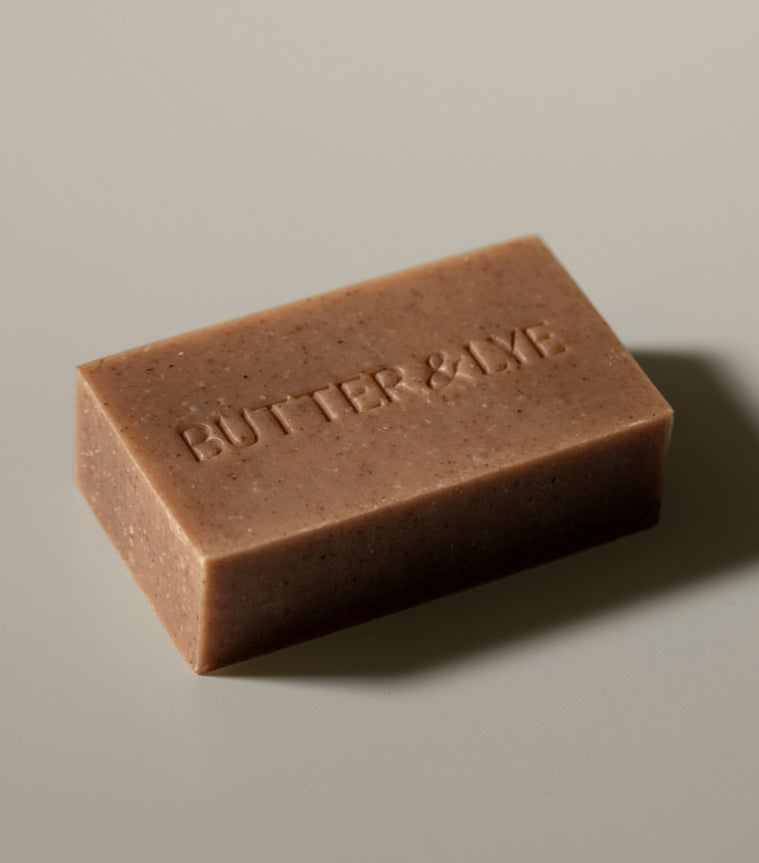
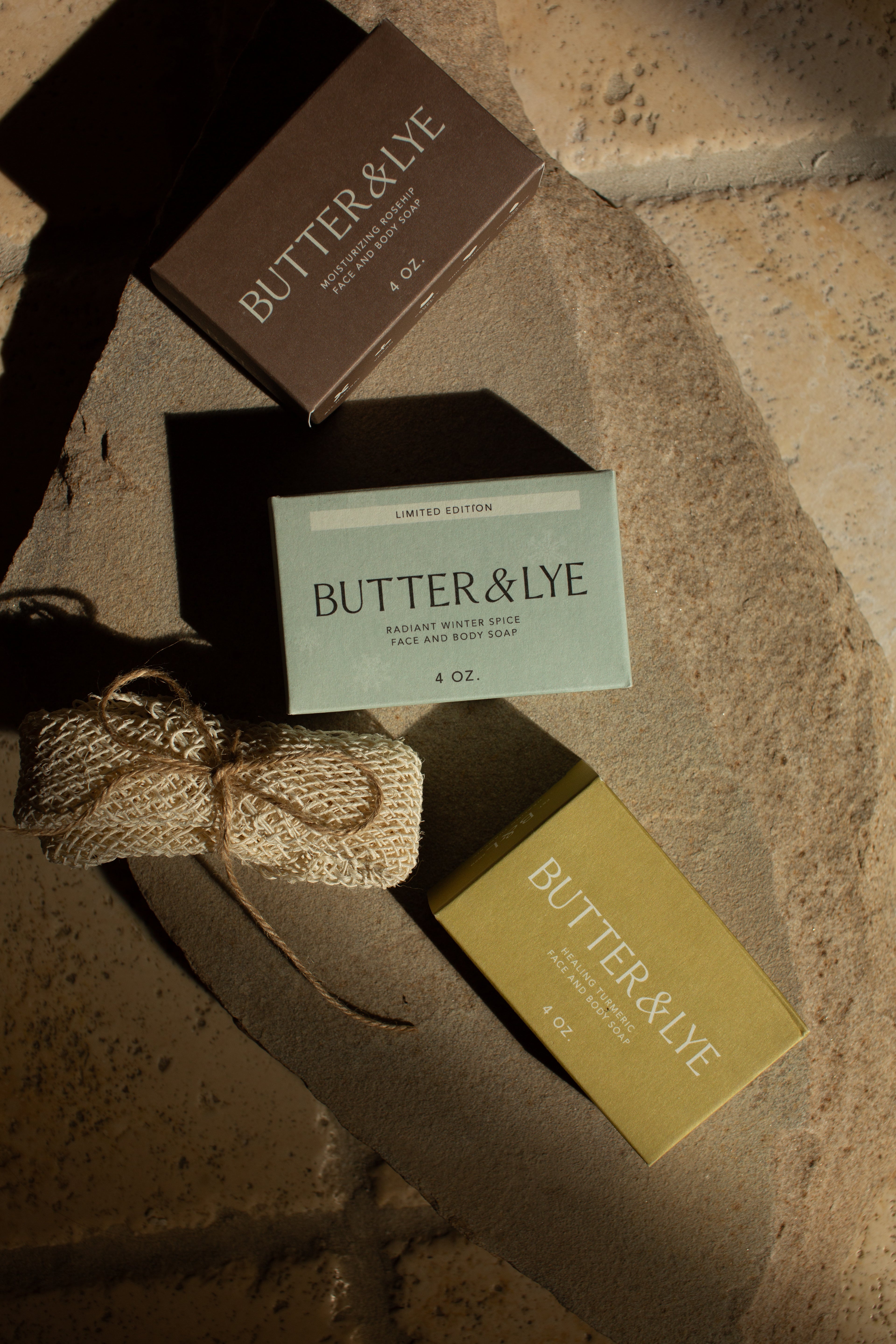
A well-formulated bar soap can make a noticeable difference here. The Butter & Lye Charcoal Soap is a strong option if your skin tends to feel congested or unbalanced. It gives you a thorough cleanse without that tight, stripped feeling, which makes the rest of your routine easier to manage.
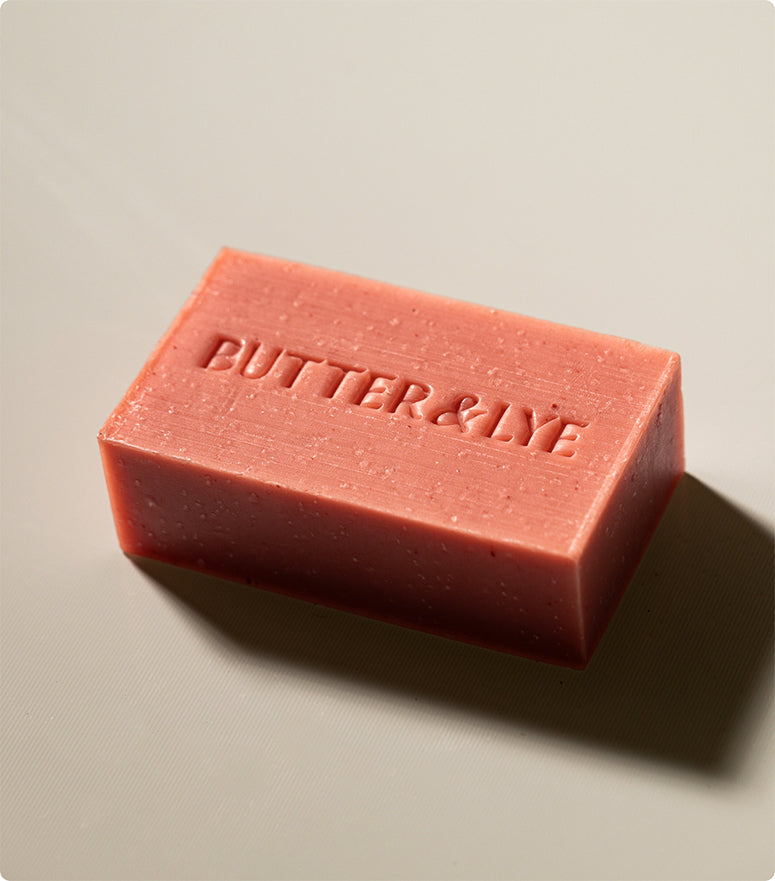
If your skin leans more sensitive or reactive, the Butter & Lye Pink Clay Soap is a better fit. It’s a more gentle approach that still cleans effectively while helping your skin stay calm and even.
Once your cleanser is doing its job properly, you can build a routine around it with fewer pieces.

What a Simplified Routine Can Look Like
A routine that works does not need to be complicated.
A gentle cleanse, followed by a moisturizer applied at the right time, covers most of what your skin needs on a daily basis.
Exfoliation can be included occasionally, but it should support the routine, not carry it.
The goal is to have each step contribute something meaningful, without creating new issues that require more products to fix.
What Changes When You Raise Your Standards
When your routine is built on products that actually support your skin, a few things tend to happen.
Your skin feels more consistent from day to day.
You spend less time adjusting or troubleshooting.
The overall texture improves gradually without constant intervention.
You also stop feeling like you need to try something new every time your skin changes slightly.
The Takeaway
A long routine can look like dedication, but it often reflects a mismatch between your products and your skin.
When you raise your standards, your routine becomes simpler, and your results become more consistent.
Not sure where to start? Here's what we suggest: