
I spend a lot of time reading product labels.
Part of that comes from my background in biology and years spent working in biotech. Part of it comes from being a founder who formulates products and thinks carefully about what goes into them. Most of it comes from wanting to understand what I'm actually putting on my skin.
The front of a package is designed to catch your attention. The ingredient list is where you learn what you're really buying.
That doesn't mean every ingredient needs to be researched or memorized. Most people don't have the time or interest to become cosmetic chemists, and they shouldn't have to.
What matters is knowing what deserves a closer look.
I Start With the Ingredient List, Not the Marketing Claims
Words like "natural," "clean," "gentle," and "non-toxic" can sound reassuring, but they don't tell you much about how a product is actually formulated.
Two products can make the exact same claim and have very different ingredient lists.
That's why I start by turning the package over.
The ingredient list gives me more useful information than the front label ever will.
I Look for Fragrance Early
One of the first things I check is whether a product contains fragrance.
As I discussed in a previous article, fragrance isn't a single ingredient. It's often a blend of many individual compounds grouped under one term.
That doesn't automatically make a product bad. It simply means there's less transparency about exactly what's creating the scent.
If fragrance appears on the ingredient list, I pay closer attention to the rest of the formula and think about how often I'll be using that product.
I Look at the Formula as a Whole
Ingredient lists can tell you a lot, but they don't tell the entire story.
Some ingredients are effective at very low concentrations, so their position on a label doesn't necessarily reflect their importance. Rather than focusing on one ingredient, I try to understand how the formula is built and whether the ingredients work together to support the product's purpose.
This is one reason I avoid making quick judgments based on a single ingredient or marketing claim. Products are experienced as complete formulas, not as individual ingredients in isolation.
I Take a Closer Look at Certain Ingredients
There are a few categories of ingredients that encourage me to read more carefully.
These include:
-
Synthetic fragrance blends
-
Certain synthetic dyes
-
Formaldehyde-releasing preservatives
-
PEG compounds
-
Triclosan
This doesn't mean every product containing one of these ingredients should automatically be avoided.
Context matters. Concentration matters. The overall formula matters.
What these ingredients do tell me is that I want to understand more about why they're being used and whether there are alternatives available.
I Look for Transparency
One of the biggest things I value in a product is transparency.
I appreciate brands that clearly disclose what they're using and why.
When a company is willing to be open about its ingredients, sourcing, and formulation choices, it becomes much easier to make informed decisions.
Trust isn't built through marketing language. It's built through clarity.
Certifications Can Add Another Layer of Confidence
Certifications aren't everything, but they can provide another useful data point.
Independent programs often evaluate products against specific criteria that go beyond what most consumers can easily verify on their own.
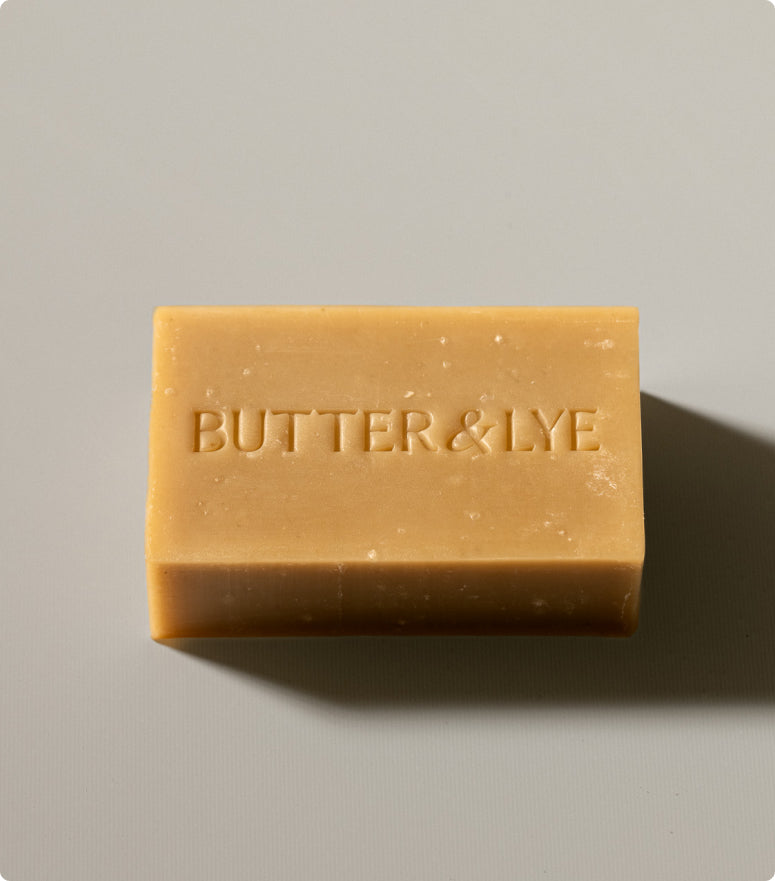
For example, the Butter & Lye Turmeric Face & Body Bar is EWG VERIFIED®. Products that earn the mark are reviewed against ingredient safety criteria, require transparency around ingredients, and meet standards established by the Environmental Working Group.
For someone trying to make informed choices, that kind of third-party review can be helpful.
I Focus on Products That Earn Their Place in My Routine
Over the years, I've become less interested in products that make big promises and more interested in products that consistently perform well.
I want products that leave my skin feeling comfortable after I use them. I want formulas that make sense, ingredient lists that are easy to understand, and brands that are transparent about what they're making.
That's one reason I gravitate toward simpler formulations whenever possible.
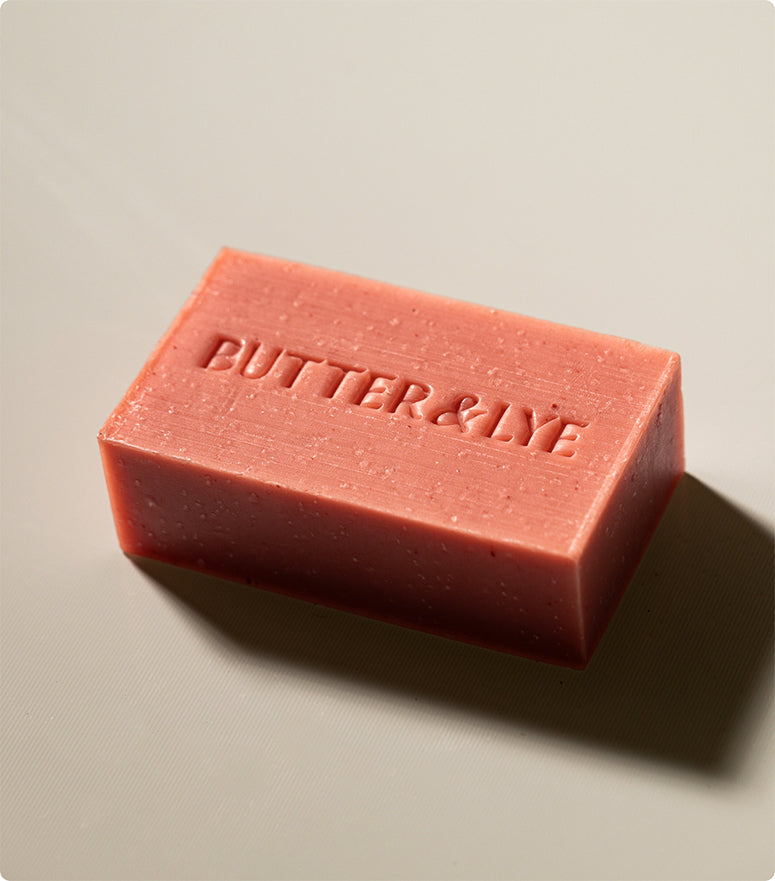
The Butter & Lye Rosehip Soap is a good example. Rather than relying on a long list of ingredients to create an impression, the formula focuses on ingredients that support cleansing while helping maintain skin comfort.
What I Don't Look For
I don't look for perfection.
There is no perfect ingredient list.
There is no product that works for every person in every situation.
My goal is simply to understand what I'm using, choose products thoughtfully, and make decisions based on information rather than marketing.
The Takeaway
Reading a product label doesn't require specialized training.
You don't need to know every ingredient or memorize complex terminology.
Start with the ingredient list. Look for transparency. Pay attention to fragrance, the overall formula, and whether a product's claims align with what's actually inside.
Over time, you'll become much better at identifying products that align with your standards and support the kind of skin you're trying to achieve.
Ready to Put Those Standards Into Practice?
Explore the EWG VERIFIED® Turmeric Face & Body Bar and Rosehip Soap to see how thoughtful formulation, ingredient transparency, and simple routines can support softer, healthier-looking skin.