


“Fragrance” is one of the most common ingredients in body care, and also one of the least understood.
It shows up in products that are marketed as clean, natural, gentle, and everything in between. Most people see it on a label and move on without thinking much about it.
If your goal is softer, more stable skin, it’s worth taking a closer look at what that one word actually represents.
What “Fragrance” Actually Covers
On an ingredient list, “fragrance” is not a single ingredient. It’s a blanket term that can represent a mix of dozens, sometimes hundreds, of individual compounds blended together to create a scent.
Brands are not required to disclose each of those components. The formula is considered proprietary, which means everything is grouped under that one word.
From a product development perspective, that makes sense. From a consumer perspective, it creates a lack of clarity.
You’re applying a complex mixture to your skin without knowing exactly what’s in it.
Why That Matters for Your Skin
Your skin doesn’t respond to the idea of fragrance. It responds to the individual components within it.
Some of those components can be well tolerated. Others are more likely to cause irritation, especially with repeated, daily use.
This doesn’t always show up as an obvious reaction. In many cases, it looks like:
-
Skin that feels inconsistent
-
Dryness that doesn’t fully improve
-
Texture that never quite smooths out
-
Occasional sensitivity that’s hard to trace back to one cause
When the source isn’t clear, people tend to add more products instead of removing the variable that’s creating the issue.
Natural Fragrance Is Still Fragrance
There’s a common assumption that plant-based or essential oil scents are automatically better for your skin.
They can be a good option in certain formulations, but they are still made up of multiple active compounds. Your skin interacts with them the same way it would with any other fragrance component.
“Natural” doesn’t guarantee that your skin will tolerate it well, especially with daily exposure.
Why Fragrance Gets So Much Use
Fragrance plays a big role in how a product feels when you use it. It creates a sensory experience that people associate with cleanliness, relaxation, or luxury.
That experience can sometimes mask how the product is actually performing.
A cleanser that smells great can still leave your skin feeling dry. A lotion that feels rich at first can still lead to inconsistency over time.
When fragrance is a major selling point, it can distract from whether the formula itself is supporting your skin.

How to Approach Fragrance in Your Routine
You don’t need to eliminate every scented product from your life.
A more realistic approach is to be selective about where it shows up.
Start with the products you use most often or apply across larger areas of your body:
-
Soap or body wash
-
Daily moisturizer
-
Products used immediately after showering
Reducing fragrance in those areas lowers your overall exposure in a meaningful way.
From there, you can pay attention to how your skin responds. Many people notice that their skin feels more consistent once fragrance is no longer a daily variable.
What to Look for Instead
Clarity matters more than marketing language.
Look for products with:
-
Transparent ingredient lists
-
Fewer unnecessary additions
-
Formulas that feel good on your skin without relying on scent
A well-formulated product should stand on how it performs, not how it smells.
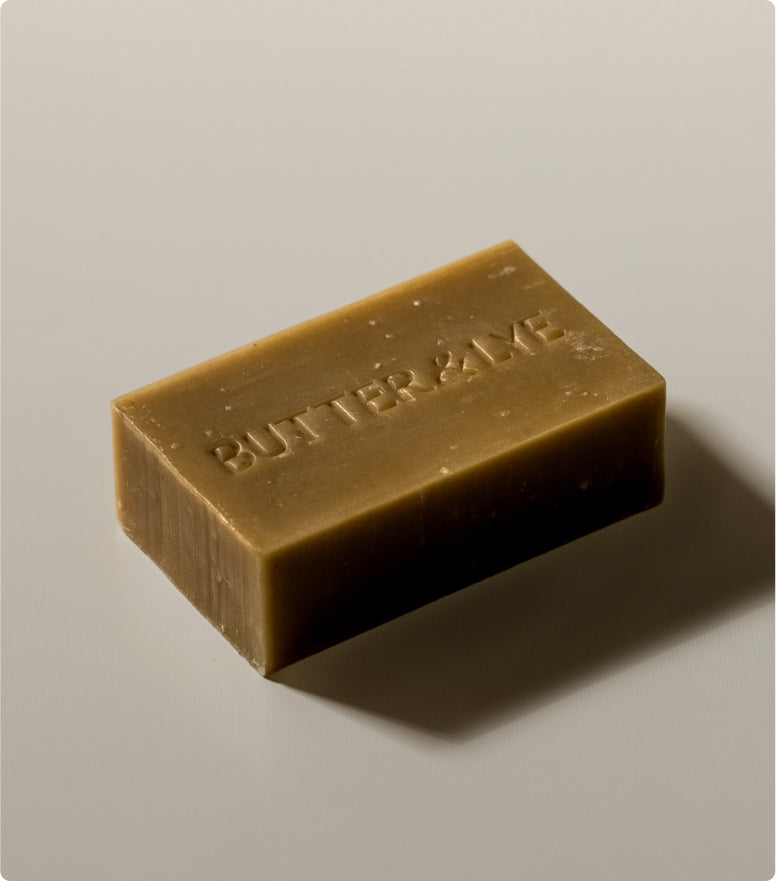
The Butter & Lye Shampoo and Body Soap is a good place to start if you want to remove fragrance from your routine without overcomplicating things. It cleans effectively and leaves your skin feeling comfortable, which makes it easier to evaluate how your skin is actually responding.

If you still prefer a light, natural scent, the Butter & Lye Wheatgrass Soap offers a more subtle option that doesn’t overwhelm the formula.
The Takeaway
“Fragrance” is easy to overlook because it’s so common.
Once you understand what it represents, it becomes easier to decide how much of it you want in your routine.
For many people, reducing daily exposure is enough to see a difference in how their skin feels and behaves.