


I don't believe in judging a product based on a single ingredient.
That's probably not the answer most people expect from someone with a science background, but it's true.
Products are complex systems. Ingredients interact with one another, concentrations matter, and context matters. An ingredient that makes sense in one formula may not make sense in another.
When I read a product label, I'm looking at the formula as a whole. At the same time, there are certain ingredients and ingredient categories that encourage me to slow down and take a closer look.
These aren't automatic deal-breakers.
They're simply ingredients that prompt additional questions.

1. Fragrance
This is usually one of the first things I notice.
The word "fragrance" can represent a blend of many individual compounds combined to create a scent. Because fragrance formulations are often considered proprietary, brands typically don't disclose every component individually.
That can make it difficult to know exactly what you're putting on your skin.
For someone with sensitive skin, frequent irritation, or a history of reactions, fragrance is often worth paying attention to.
That doesn't mean all fragranced products are problematic. It means I want to understand how fragrance fits into the overall formula and whether it's necessary for the role the product is intended to play.
2. Synthetic Dyes
Color can make products more visually appealing, and there's nothing inherently wrong with wanting a product to look attractive.
That said, I generally ask whether the color is serving a functional purpose or simply creating a visual experience.
When I'm choosing a cleanser, moisturizer, or body care product, performance matters more to me than appearance.
The presence of synthetic dyes doesn't automatically determine whether I'll use a product, but it's something I notice.
3. Formaldehyde-Releasing Preservatives
Preservation is essential in skincare.
Without preservatives, many products would become unsafe to use long before you finished them.
What I pay attention to are preservatives that release small amounts of formaldehyde over time as part of their function.
These ingredients are permitted in cosmetics under specific regulations, but they're still something I take a closer look at when evaluating a formula.
When alternatives are available that achieve the same goal, I generally prefer them.
4. PEG Compounds
PEGs, or polyethylene glycols, are commonly used in personal care products for a variety of purposes, including improving texture and helping ingredients blend together.
Their presence alone doesn't tell me whether a product is good or bad.
What it does tell me is that I want to understand the formulation a little better. How are they being used? What role are they serving? Is there a reason they were selected over other options?
The answers to those questions are usually more important than the ingredient itself.
5. Triclosan
Triclosan was once widely used in antibacterial products and has received significant attention over the years from regulators and researchers.
While its use has become much less common, I still notice it when reviewing ingredient lists.
In most cases, there are now other approaches available to achieve the goals consumers are looking for without relying on triclosan.

What I'm Really Looking For
People often assume reading ingredient labels is about finding reasons to reject products.
For me, it's the opposite.
I'm looking for reasons to trust them.
I want to understand how a formula was built, whether the ingredients make sense together, and whether the company is being transparent about what it's selling.
The more transparent a brand is, the easier it becomes to make informed decisions.
Why Transparency Matters
Most consumers don't have the time to research every ingredient they encounter.
They shouldn't have to.
That's one reason I appreciate brands that prioritize ingredient disclosure and third-party standards.
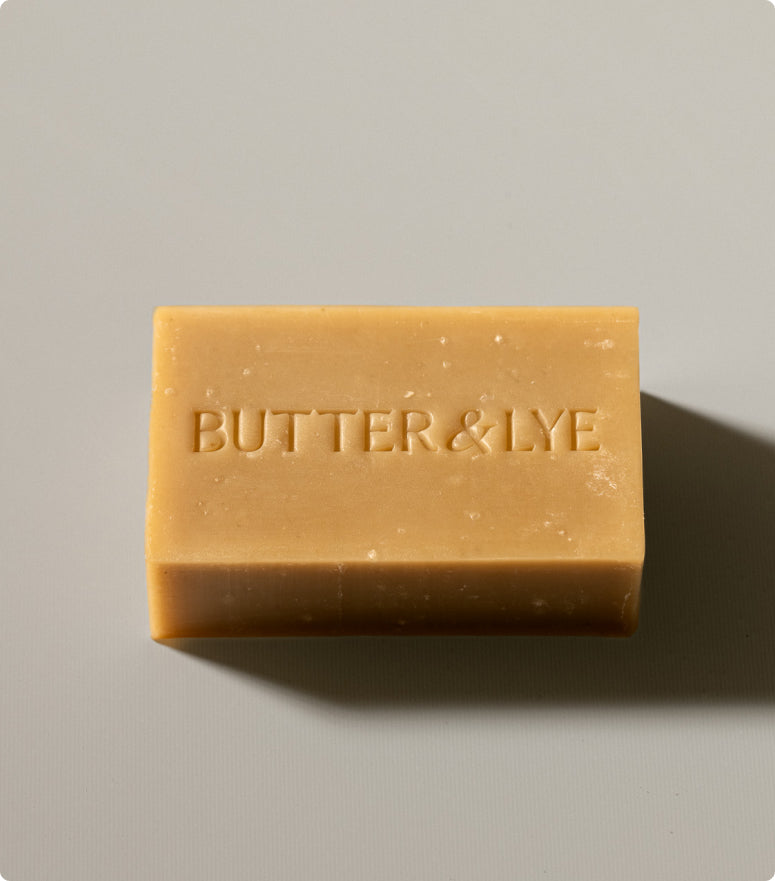
For example, the Butter & Lye Turmeric Face & Body Bar is EWG VERIFIED®, which means the formula has been reviewed against ingredient safety criteria and meets transparency requirements established by the Environmental Working Group.
Programs like that don't replace personal judgment, but they can provide an additional layer of confidence.

A Simpler Approach
Over the years, I've become less interested in products with long lists of ingredients and more interested in products that have a clear purpose.
The Butter & Lye Shampoo and Body Soap is one example. It focuses on cleansing effectively without relying on fragrance or unnecessary additions to create the experience.

When I choose products for myself, I'm usually looking for formulas that are thoughtful, transparent, and easy to understand.
The Takeaway
Ingredient labels aren't about fear.
They're about awareness.
The goal isn't to memorize every ingredient or avoid entire categories automatically. The goal is to understand what you're using, ask good questions, and make informed decisions based on the whole formula rather than a single claim on the front of a package.
Looking for Products Built Around Transparency?
Explore the EWG VERIFIED® Turmeric Face & Body Bar and Unscented Soap to see how simple formulations and ingredient transparency can support a more thoughtful skincare routine.